これは日本の重要な伝統行事で、新年の幸運を祈願するために多くの人が寺社に列をなします。浅草寺では行列が長くなるため、大変混雑することが予想されます。12月31日夜から1月3日までは交通規制が実施され、雷門から始まる仲見世通りは一方通行となります。 時間:イベントは2026年1月1日午前0時から始まり、1月第1週まで続きます。 On January 1, 2026, the primary event in Asakusa is Hatsumode the first shrine temple visit of the yearat Sensoji Temple and Asakusa Shrine, drawing very large crowds. Other activities include the tail end of the New Year’s Eve bell ringing and a special event at Asakusa Hanayashiki amusement park. 浅草寺の正月行事は、様々な人が利用しやすいように工夫されていると感じました。 まず、参道は広く、大きな階段もあるので、足の不自由な方やご高齢の方でも通行しやすいです。混雑時でも、警備員や係員が常駐し、動揺を促し、安全な通行を確保しています。 そして、このイベントでは、食べ物を食べたり、飲み物飲んだりイベントを楽しみにしてる人が人の数が多いでした。
I selected the Tokyo Christmas Market 2025 because it is one of Tokyo’s most famous winter events, attracting families, couples, elderly visitors, and many foreign tourists. It takes place in an open outdoor park with wide walking paths and easy access from several train stations.
Friendly design for elderly visitors and families
Multicultural and multilingual support for tourists
A festive Christmas atmosphere everyone can enjoy
confirm during visit
The Tokyo Christmas Market is one of the most popular seasonal events in Tokyo, featuring food stalls, hot drinks, handmade crafts, and festive decorations. It is enjoyable for families, couples, seniors, and international visitors.
Hibiya Park is located in central Tokyo with multiple train lines, many elevators, and flat walking paths. It is easy to reach even for:
People with walking difficulties
Wheelchair users
I arrived at Hibiya Station around 5:30 PM. The entrance to the event was clearly marked with lights and signs. The pathways were wide, and even with many visitors, there was enough space for wheelchairs and strollers.
The market had a warm and festive atmosphere—decorated wooden stalls, Christmas music, and the smell of hot chocolate and German sausages. I saw many families, foreign tourists, and elderly couples enjoying the event.
The Tokyo Christmas Market 2024is an excellent example of a winter event that is enjoyable and accessible to a wide variety of people. Its barrier-free pathways, multilingual support, family-friendly design, and welcoming atmosphere make it easy to go and easy to use for people with disabilities, foreigners, elderly visitors, and families.
In today’s competitive digital environment, brands fight not only for market share but also for consumer attention—an increasingly scarce resource. Traditional “product-first” marketing is no longer enough to differentiate a company. Instead, a new strategy has gained prominence: brand storytelling. This article explains the concept using simple language, while also exploring its importance, real-world applications, and strategic value for marketers and web creators.
What Is Brand Storytelling?
Definition
Brand storytelling is a marketing approach in which a company conveys its values, mission, history, and customer impact through a narrative rather than through product features alone. In other words, it turns the brand into a “character with purpose.”
Why Storytelling Matters (The Psychological Background)
Humans Think in Stories, Not Facts
Cognitive science shows that people remember narratives far better than raw data. A list of product features may be forgotten, but a founder’s struggle or a customer’s transformation often sticks. Stories activate more parts of the brain—emotion, memory, empathy—making them powerful communication tools.
Reasons stories work:
They trigger emotion
They help our brains organize information
They are easier to retell and share
They make brands feel human, not corporate
How Companies Use Brand Storytelling
The Core Components of a Brand Story
Marketers often structure brand stories using three elements:
1. WHY – Purpose
The deeper reason the brand exists. Exp: Patagonia exists to protect the planet.
2. HOW – Method or philosophy
The way the company brings its purpose to life. Exp: They use sustainable materials, repair programs, and activism.
3. WHAT – Products
What the company actually sells. Exp: Outdoor clothing and gear.
Real-World Examples
Apple – Creativity as Identity
Apple rarely sells devices through specifications. Instead, its narrative centers on empowering creative individuals. The brand story is: “We think differently, so you can too.”
Nike – Overcoming Limits
Nike tells stories of athletic struggle, personal resilience, and human aspiration. The emotional message—“Anyone can be an athlete”—is the heart of the brand.
Airbnb – Belonging
Airbnb positions itself around a simple human truth: People want to feel at home anywhere in the world. This became the brand’s global narrative: “Belong anywhere.”
How Storytelling Improves Marketing and Web Design
1. Better User Engagement
Web users skim content. A compelling story keeps them reading and increases time on page—a key SEO signal.
2. Stronger Social Media Performance
Stories are shareable. People rarely repost an ad, but they share narratives that inspire, surprise, or resonate emotionally.
3. Clearer Brand Positioning
A well-defined story becomes the backbone for:
website copy
visual identity
content strategy
campaign messaging
customer experience
4. Higher Customer Loyalty
When customers feel emotionally aligned with a brand, they stay longer and spend more—this is known as identity-based loyalty.
Practical Tips for Beginners
1. Start with your “origin insight”
Why was the brand created? What problem did it hope to solve?
2. Identify the emotional core
What feeling should people associate with your brand? (Trust? Freedom? Confidence?)
3. Use real people
Founders, employees, customers—real humans create real impact.
4. Consistency matters
The same story should appear across ads, websites, packaging, and social content.
My Consideration
Brand storytelling is most effective when it is authentic. Fabricated or exaggerated stories often backfire, especially in a digital world where consumers can easily verify information. The strongest brand stories are based on real values and real actions.
I believe the future of branding will rely even more on narrative—not as a marketing tactic, but as a way to express a company’s long-term purpose and responsibility. Brands that align storytelling with real behavior will earn lasting trust.
In today’s competitive digital environment, brands fight not only for market share but also for consumer attention—an increasingly scarce resource. Traditional “product-first” marketing is no longer enough to differentiate a company. Instead, a new strategy has gained prominence: brand storytelling. This article explains the concept using simple language, while also exploring its importance, real-world applications, and strategic value for marketers and web creators.
What Is Brand Storytelling?
Definition
Brand storytelling is a marketing approach in which a company conveys its values, mission, history, and customer impact through a narrative rather than through product features alone. In other words, it turns the brand into a “character with purpose.”
Why Storytelling Matters (The Psychological Background)
Humans Think in Stories, Not Facts
Cognitive science shows that people remember narratives far better than raw data. A list of product features may be forgotten, but a founder’s struggle or a customer’s transformation often sticks. Stories activate more parts of the brain—emotion, memory, empathy—making them powerful communication tools.
Reasons stories work:
They trigger emotion
They help our brains organize information
They are easier to retell and share
They make brands feel human, not corporate
How Companies Use Brand Storytelling
The Core Components of a Brand Story
Marketers often structure brand stories using three elements:
1. WHY – Purpose
The deeper reason the brand exists. Exp: Patagonia exists to protect the planet.
2. HOW – Method or philosophy
The way the company brings its purpose to life. Exp: They use sustainable materials, repair programs, and activism.
3. WHAT – Products
What the company actually sells. Exp: Outdoor clothing and gear.
Real-World Examples
Apple – Creativity as Identity
Apple rarely sells devices through specifications. Instead, its narrative centers on empowering creative individuals. The brand story is: “We think differently, so you can too.”
Nike – Overcoming Limits
Nike tells stories of athletic struggle, personal resilience, and human aspiration. The emotional message—“Anyone can be an athlete”—is the heart of the brand.
Airbnb – Belonging
Airbnb positions itself around a simple human truth: People want to feel at home anywhere in the world. This became the brand’s global narrative: “Belong anywhere.”
How Storytelling Improves Marketing and Web Design
1. Better User Engagement
Web users skim content. A compelling story keeps them reading and increases time on page—a key SEO signal.
2. Stronger Social Media Performance
Stories are shareable. People rarely repost an ad, but they share narratives that inspire, surprise, or resonate emotionally.
3. Clearer Brand Positioning
A well-defined story becomes the backbone for:
website copy
visual identity
content strategy
campaign messaging
customer experience
4. Higher Customer Loyalty
When customers feel emotionally aligned with a brand, they stay longer and spend more—this is known as identity-based loyalty.
Practical Tips for Beginners
1. Start with your “origin insight”
Why was the brand created? What problem did it hope to solve?
2. Identify the emotional core
What feeling should people associate with your brand? (Trust? Freedom? Confidence?)
3. Use real people
Founders, employees, customers—real humans create real impact.
4. Consistency matters
The same story should appear across ads, websites, packaging, and social content.
My Consideration
Brand storytelling is most effective when it is authentic. Fabricated or exaggerated stories often backfire, especially in a digital world where consumers can easily verify information. The strongest brand stories are based on real values and real actions.
I believe the future of branding will rely even more on narrative—not as a marketing tactic, but as a way to express a company’s long-term purpose and responsibility. Brands that align storytelling with real behavior will earn lasting trust.
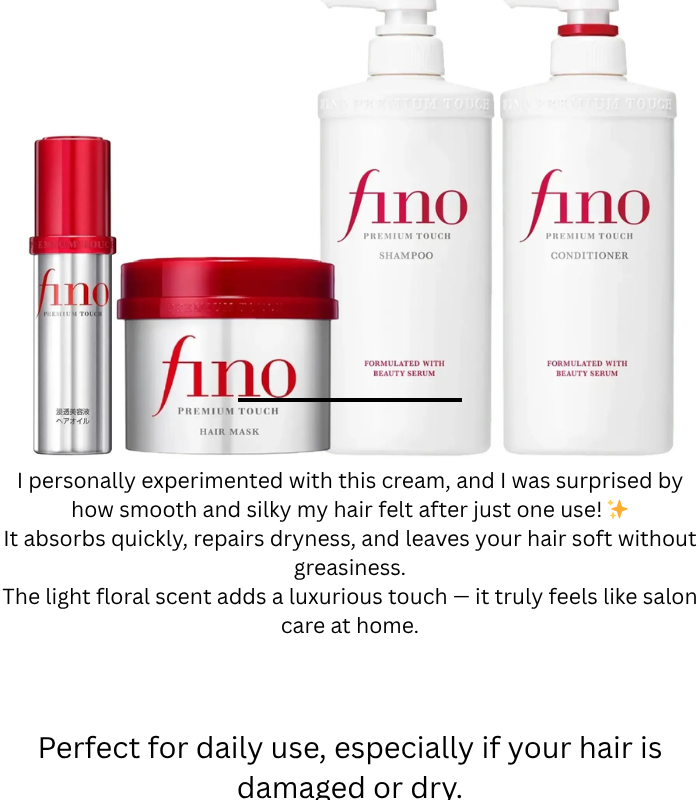
If you’ve been struggling with dry or damaged hair, Fino Premium Touch Hair Cream might be the solution you’ve been looking for. I personally tried it, and after just one use, my hair felt softer, smoother, and easier to style. Today, I’ll share my honest review and why this hair cream is worth trying.
H2: Why I Love Fino Hair Cream
Deeply hydrates dry and damaged hair
Lightweight texture that doesn’t feel greasy
Smooths frizz and adds natural shine
Pleasant floral scent that isn’t overpowering
I experimented with different amounts, and even a small dab makes a huge difference. It’s perfect for daily use and can easily fit into your hair care routine.
H2: How to Use Fino Hair Cream
Take a small amount of the cream in your palm.
Apply evenly to towel-dried or dry hair, focusing on damaged ends.
Style as usual.
💡 Tip: Using a tiny amount daily keeps your hair soft and shiny without weighing it down.
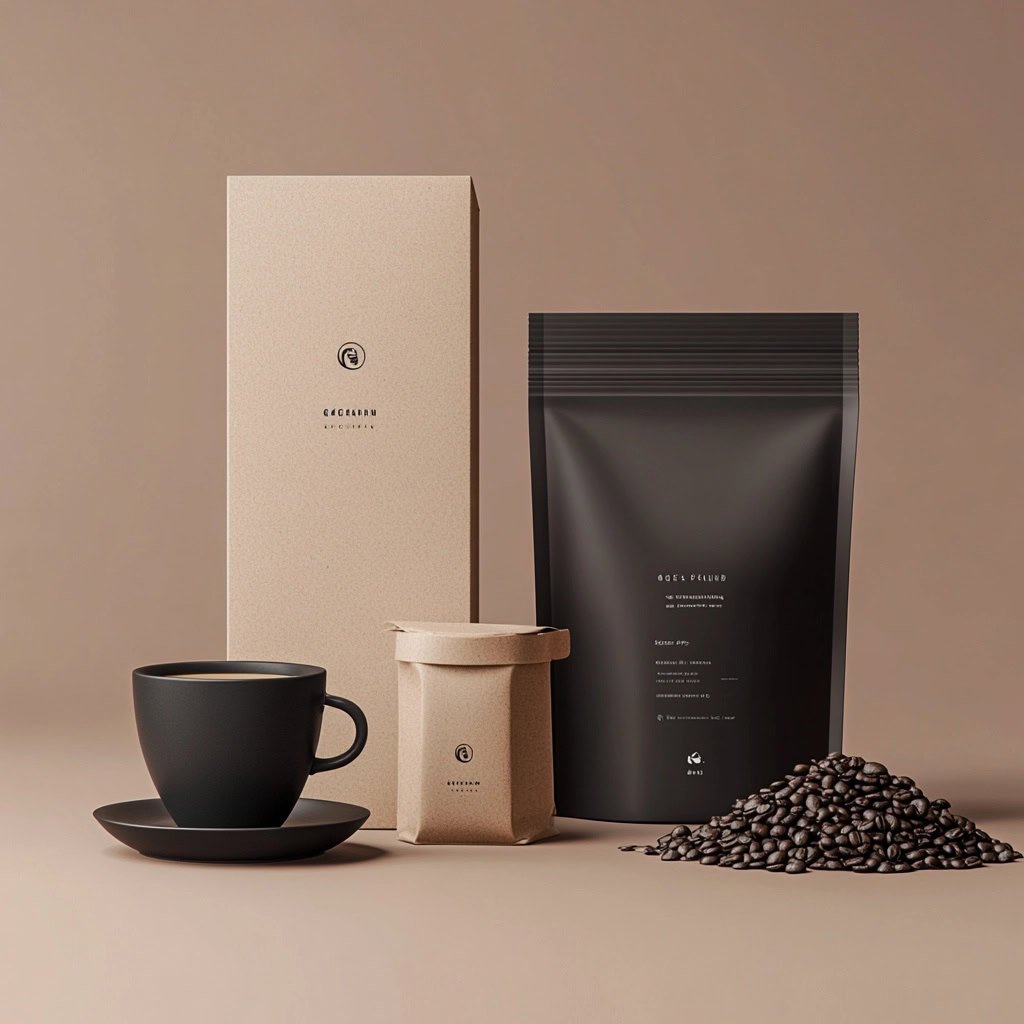
Bright coffee beans are prized for their lively acidity and vibrant fruity flavors, which create a refreshing and crisp cup. Typically, beans from high-altitude regions such as Ethiopia and Kenya are known for their brightness, offering notes of citrus, berries, and floral aromas. These coffees are often lightly roasted to preserve their delicate flavors and acidity. If you enjoy a coffee with a refreshing and complex taste, bright beans from these origins are an excellent choice.
in Japan black coffee is very common often sold in cans at vending machines.in Nepal people usually drink milk tea so black coffee feels more morden or western style.