A Multicultural and Accessible Dining Spot in Nakano
JOJOLAPA Dining & Bar is a cozy dining bar located near Nakano Station in Tokyo. It specializes in Nepali and Indian cuisine and offers a warm indoor space that is comfortable even during the winter season.
One of the strongest points of this restaurant is its bilingual drink menu written in both Japanese and English. Customers can easily understand the menu even if they do not speak Japanese. In addition to alcoholic drinks, there are non-alcoholic beverages and mocktails, which is considerate for people who do not drink alcohol for religious or health reasons.
JOJOLAPA Dining & Bar は、中野駅近くにあるネパール料理・インド料理を中心としたダイニングバーです。冬でも快適に過ごせる屋内型の飲食店で、落ち着いた雰囲気が特徴です。
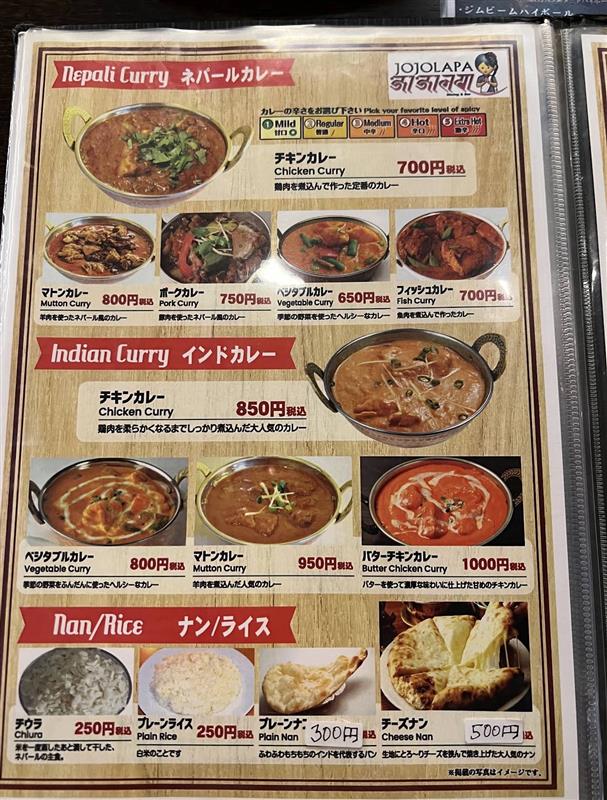
The food menu includes photos of Nepali and Indian curries, making it easy for customers to imagine the dishes. The menu clearly shows that customers can choose the spice level, from mild to extra hot. This helps people who are sensitive to spicy food and first-time visitors feel comfortable when ordering.
The curry dishes are colorful and visually appealing. They are served in a way that is easy to eat and share, which is suitable for groups and international visitors. The presentation helps customers understand the food without relying on language.
The cheese naan is especially eye-catching and easy to recognize. Its appearance alone makes it clear what kind of dish it is, which helps children and foreign customers. Visual clarity like this reduces stress when ordering.
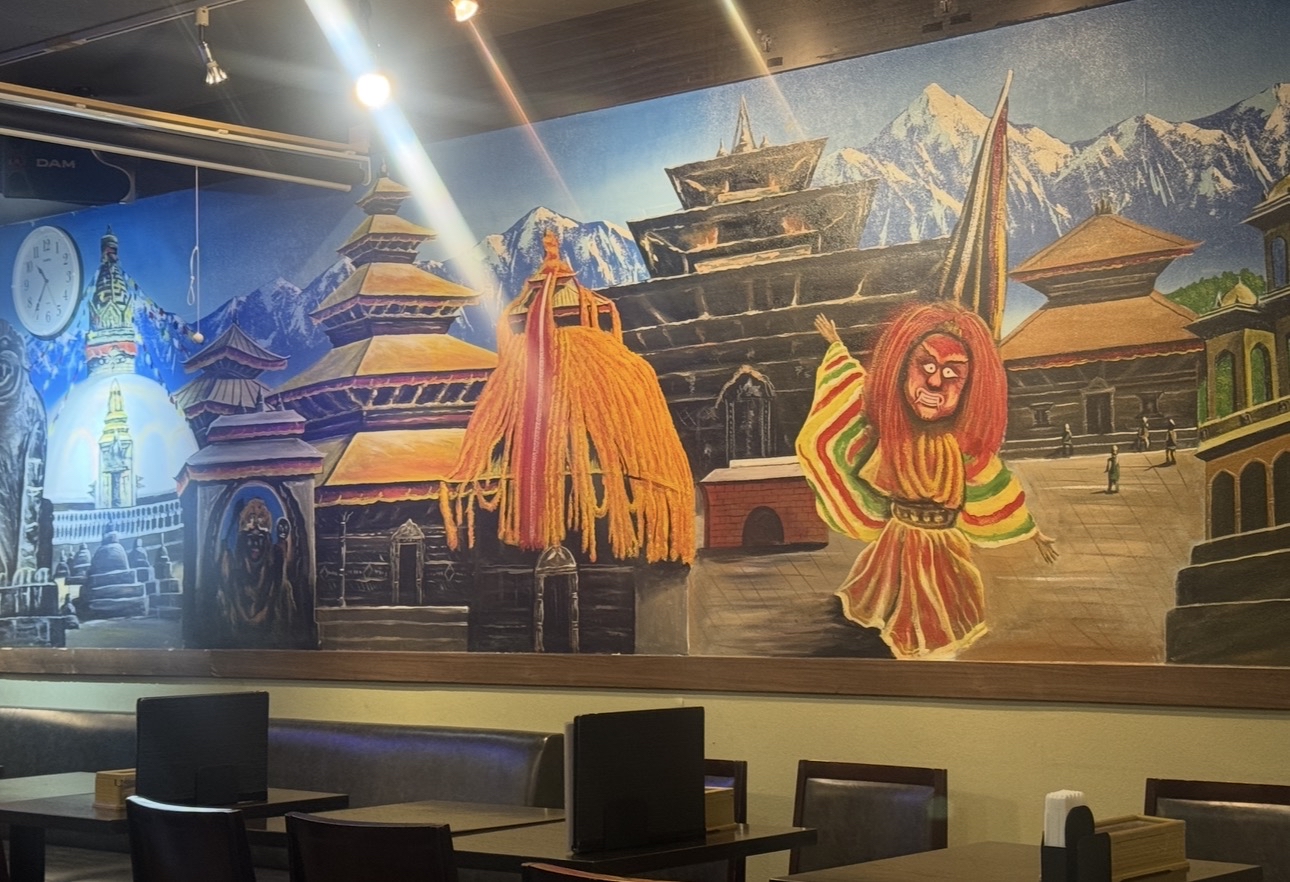
The interior of JOJOLAPA Dining & Bar has warm lighting and a relaxed atmosphere. Both counter seats and table seats are available, making it suitable for solo diners and groups. Although the restaurant is located in the basement, the indoor environment is comfortable and protected from cold weather.
JOJOLAPA Dining & Bar is a restaurant designed to be easy to use and welcoming for many kinds of people, including foreigners and those with different dietary or cultural needs. With warm food, a comfortable indoor space, and clear visual menus, it is an ideal place to enjoy dining during the winter season.
JOJOLAPA Dining & Bar は、外国人や多様な背景を持つ人でも利用しやすい工夫がされた飲食店です。温かい料理と快適な店内環境、分かりやすいメニューにより、冬でも誰でも楽しめるスポットだと感じました。
In modern marketing, the term “Storytelling” has moved beyond being a mere buzzword to becoming a core strategy for brand building. Why is it considered more important to tell a “story” than to simply explain the superiority of features or price? This article comprehensively explains the definition of brand storytelling, its psychological background, and the power of this method through successful case studies.
1. Introduction: The Power of Stories イントロダクション:物語の力
Since ancient times, humans have shared information and deepened community bonds by telling stories around campfires. Stories are not merely entertainment; they are cognitive frameworks for understanding a complex world. In the context of marketing, consumers respond strongly not to inorganic “data,” but to “stories” with context.
In a modern society overflowing with information, a simple list of product specifications does not remain in the memory of consumers. However, stories about “why the product was born” or “what difficulties were overcome” create an emotional connection and have the power to foster brand attachment (loyalty).
Brand storytelling can be defined as “a communication method that conveys a brand’s values, mission, and reason for existence in an emotionally moving narrative format.”
This does not simply refer to airing touching short dramas in commercials. It means Bdeploying a consistent narrative across all touchpoints, including the founder’s thoughts, the behind-the-scenes of product development, the changes customers have experienced through the product, and the role the brand intends to play in society.
While traditional marketing focused on “What” to sell, storytelling focuses on “Why” the brand exists and what role it plays in the customer’s life.
There are three main factors behind why companies emphasize this method.
Commoditization of Information and Difficulty of Differentiation
With the advancement of technology, functional differentiation of products has become increasingly difficult. Every smartphone has high image quality, and every detergent removes stains. When differentiation by function reaches its limit, the only unique differentiation factor becomes the “brand’s inherent story.”
Consumer Avoidance of Advertising
Due to the flood of digital advertising, consumers have become defensive against “selling.” However, stories are accepted not as “selling” but as “content.” People skip ads, but they voluntarily listen to interesting stories.
Emphasis on Emotional Value
Especially among Millennials and Gen Z, “empathy” and “ethics” are becoming important in consumption behavior. When a company’s vision or stance on social contribution is told as a story, consumers come to view purchasing that brand as “part of their identity.”
4. The Effects of Brand Storytelling (Psychological Basis)ブランドストーリーテリングの効果(心理学的根拠)
The effects of storytelling are supported not only by empirical rules but also by psychology and neuroscience.
Memory Retention Rate
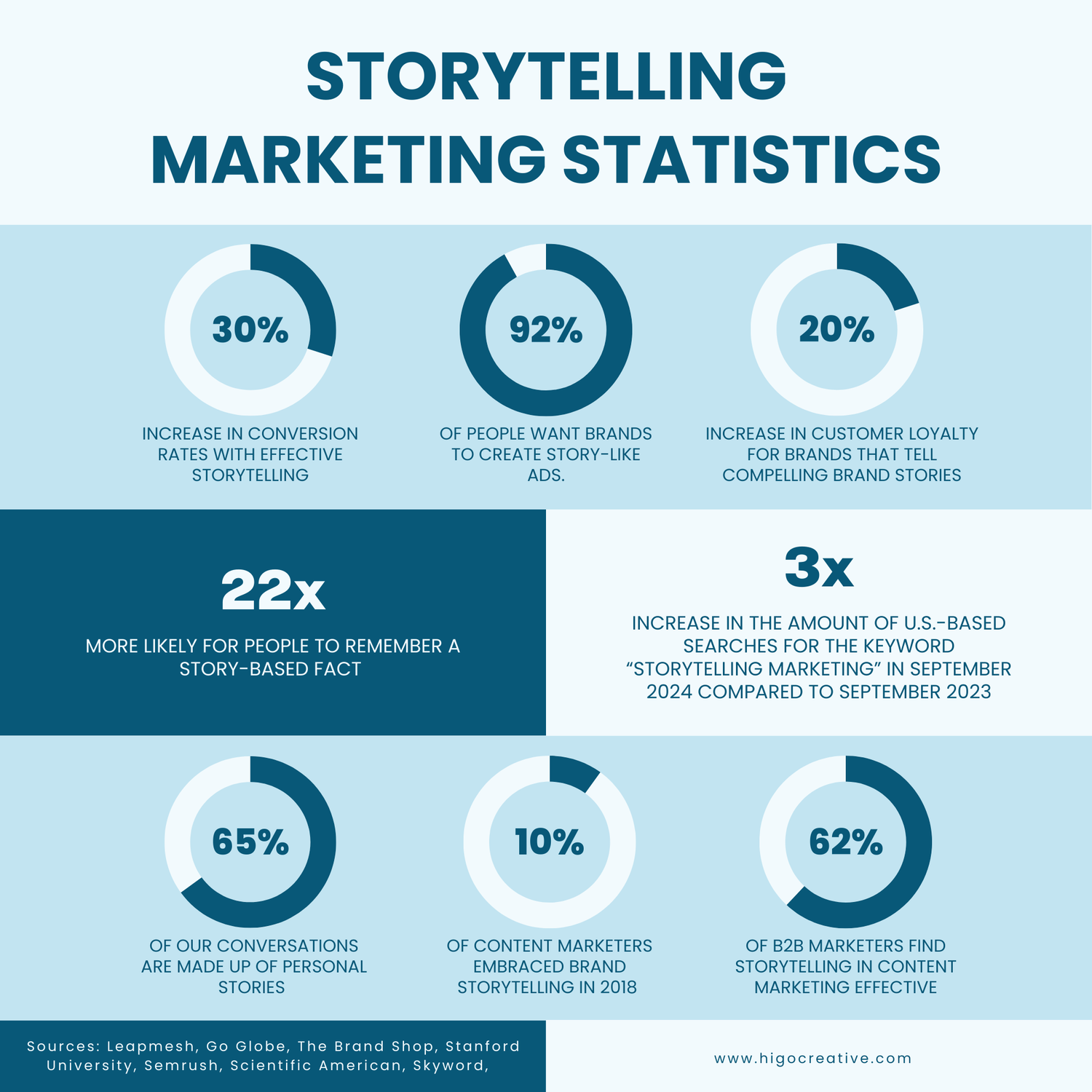
According to research by cognitive psychologist Jerome Bruner, facts are 22 times more likely to be remembered when presented as part of a story than when presented in isolation. Because stories activate multiple regions of the brain (not just the language center, but also areas governing senses and movement), they leave a deep impression.
Figure 1: Storytelling Marketing Statistics Source: Higo Creative – Storytelling Marketing Statistics Information presented as a story is overwhelmingly more memorable than a mere list of facts and creates an emotional connection with consumers.
Secretion of the Empathy Hormone “Oxytocin”
According to research by neuroeconomist Paul Zak, when humans are exposed to moving stories, the neurotransmitter “oxytocin” is secreted in the brain. Oxytocin works to increase trust and empathy, and when it is secreted, people become favorable toward the subject and are more likely to take cooperative actions (such as purchasing or donating).
Figure 2: The Science of Storytelling (Infographic) Source: Smart Insights – The Science of Storytelling Data showing the impact of storytelling on the brain and its effectiveness in marketing.
5. Success Stories 成功事例の紹介
Let’s look at examples of companies practicing excellent brand storytelling.
Apple: “Rebellion Against the Status Quo”
Apple has not talked about product specs (memory capacity or CPU speed) but has always told stories of “creativity” and “breaking the status quo.” The famous “1984” commercial and the “Think Different” campaign provided customers with a story that using Apple products is not just using a tool, but becoming one of the innovators.
Airbnb: “Belong Anywhere”
Airbnb’s brand message is “Belong Anywhere.” They emphasize not the cheapness of accommodation, but the interaction between hosts and guests and the story of “living like a local” while traveling. By having customers share their own travel stories as User Generated Content (UGC), they are forming a powerful community.
Nike: “There is an Athlete in Everyone”
Nike’s “Just Do It” is not just a slogan, but a story of the “Hero’s Journey” where everyone challenges their limits and overcomes them. Their advertisements often depict unknown athletes grabbing success after much effort, positioning the customer themselves as the protagonist of that story.
Nikeの「Just Do It」は、単なるスローガンではなく、すべての人が自分の限界に挑戦し、それを乗り越えるという「ヒーローズ・ジャーニー(英雄の旅)」の物語です。彼らの広告はしばしば、無名のアスリートが努力の末に成功を掴む姿を描き、顧客自身をその物語の主人公として位置づけます。
6. How to Practice Brand Storytellingブランドストーリーテリングの実践方法
To practice effective storytelling, the following frameworks are useful.
Simon Sinek’s “Golden Circle”
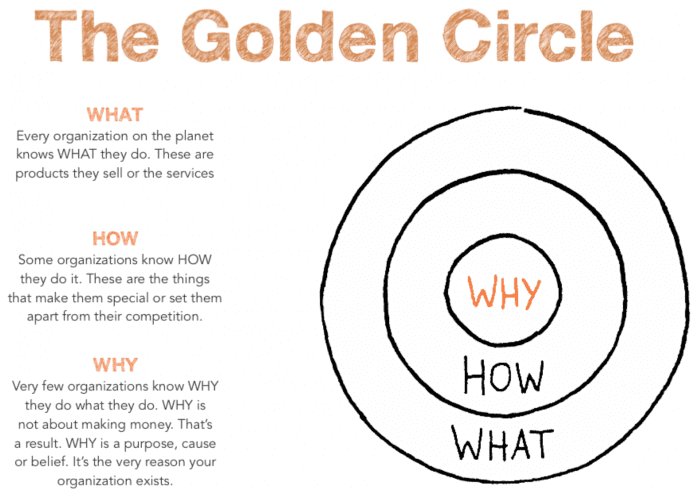
The “Golden Circle” theory proposed by marketing consultant Simon Sinek strikes at the heart of storytelling. Many companies start speaking from “What” (what they sell), but great leaders and brands start speaking from “Why” (why they do it).
Figure 3: Golden Circle Model (Proposed by Simon Sinek) Source: Smart Insights – Golden Circle Model Communicating from the inside “Why” to the outside is the key to motivating people to act.
Why (Belief): We believe we can change the world.
How (Method): To do that, we make products that are beautiful and easy to use.
What (Product): That is this computer.
Make the Customer the Hero
A common mistake is for the brand itself to behave as the “hero.” The protagonist of the story is strictly the “customer,” and the brand should be the “mentor” or “magical tool” that helps in that journey. In Star Wars terms, the customer is Luke Skywalker, and the brand plays the role of Yoda.
7. Analysis: The Future of Storytelling in the Digital Age考察:デジタル時代におけるストーリーテリングの未来
The evolution of digital technology is changing the form of storytelling. Instead of one-way narration, “participatory” storytelling through social media has become mainstream.
Also, with the rise of generative AI, mass production of content has become possible. However, precisely because of this, the value of “Authenticity” is rising. Rather than perfect sentences generated by AI, stories based on truth, even if clumsy but human, will be sought after. Companies are questioned more than ever about their integrity to maintain transparency and continue telling stories without lies.
In the future, immersive storytelling utilizing VR (Virtual Reality) and AR (Augmented Reality) will also develop, and it is thought that customers will become subjects who “experience” stories rather than just “listening” to them.
Brand storytelling is a powerful method for providing customers with emotional value beyond functional value. Humans instinctively seek stories and understand the world through stories.
By starting with “Why,” positioning the customer as the protagonist, and weaving a consistent and authentic story, a brand can secure a special place in the customer’s heart. In the rapidly changing modern world, the key to building a strong brand that does not fade can be said to lie exactly in this “power to tell stories.”
Title: Upgrade Your Audio: Sony WH-1000XM5 Noise Cancelling Wireless Headphones
Affiliate Notice: This article contains affiliate links. Purchases made through these links may earn me a small commission at no extra cost to you.
Introduction
Looking for wireless headphones that combine exceptional sound quality, advanced noise cancellation, and long-lasting comfort? The Sony WH-1000XM5 is a top choice for music lovers, professionals, and students alike. These headphones deliver a premium listening experience whether you’re at home, commuting, or traveling.
Key Features of Sony WH-1000XM5
Industry-Leading Noise Cancellation: Blocks out background noise for uninterrupted listening.
Superior Sound Quality: High-resolution audio with deep bass and clear treble.
Long Battery Life: Up to 30 hours of playback on a single charge.
Comfortable Design: Lightweight earcups designed for extended wear.
The WH-1000XM5 headphones are perfect for anyone who values sound clarity and comfort. They are ideal for long study sessions, online meetings, and traveling because the noise cancellation allows you to focus without distractions. The combination of premium audio and intuitive controls makes these headphones stand out from competitors.
If you want high-quality sound, effective noise cancellation, and smart features, the Sony WH-1000XM5 is an excellent choice. Ideal for work, study, or leisure, these headphones are an investment in your daily audio experience.
Why I Want to Recommend the Website Creation Class
Among the many classes I have taken at Japan University of Economics, the class I especially recommend is Website Creation (Webサイト作成). In today’s world, having digital skills is essential for both business and personal projects. This class gives students the opportunity to actually design and build websites while learning the fundamentals of web development.
When I took this class, I realized that making a website is not only about technical skills but also about creativity and communication. That is why I strongly recommend it to other students.
HTML & CSS basics: understanding the foundation of web pages
Web design principles: layout, color balance, and usability
Practical editing tools: how to use WordPress and customize themes
Content creation: writing posts, inserting images, and managing pages
My Experience: Before taking this class, I had no idea how websites were built. Through hands-on practice, I learned step by step, starting from simple HTML tags to building a complete page. I especially enjoyed using the WordPress block editor, which allowed me to insert headings, bullet points, and images in a professional way.
The class atmosphere was very collaborative. We often worked side by side, checking each other’s screen and exchanging ideas. The professor encouraged us to try things on our own, and mistakes were seen as a natural part of the learning process. This made the class less stressful and more enjoyable.






![[商品価格に関しましては、リンクが作成された時点と現時点で情報が変更されている場合がございます。]](https://hbb.afl.rakuten.co.jp/hgb/4d98916a.32e8fe79.4d98916b.191ac14f/?me_id=1269553&item_id=14634160&pc=https%3A%2F%2Fthumbnail.image.rakuten.co.jp%2F%400_mall%2Fbiccamera%2Fcabinet%2Fproduct%2F9668%2F00000012635231_a01.jpg%3F_ex%3D400x400&s=400x400&t=picttext "[商品価格に関しましては、リンクが作成された時点と現時点で情報が変更されている場合がございます。]")