ブランドストーリーテリング: 企業はなぜストーリーを語るのか?
In modern marketing, the term “Storytelling” has moved beyond being a mere buzzword to becoming a core strategy for brand building. Why is it considered more important to tell a “story” than to simply explain the superiority of features or price? This article comprehensively explains the definition of brand storytelling, its psychological background, and the power of this method through successful case studies.
現代のマーケティングにおいて、「ストーリーテリング(Storytelling)」という言葉は単なるバズワードを超え、ブランド構築の核心的な戦略として位置づけられています。なぜ、機能や価格の優位性を説くこと以上に、「物語」を語ることが重要視されるのでしょうか。本稿では、ブランドストーリーテリングの定義、その心理学的背景、そして成功事例を通じて、この手法が持つ力を包括的に解説します。
1. Introduction: The Power of Stories イントロダクション:物語の力
Since ancient times, humans have shared information and deepened community bonds by telling stories around campfires. Stories are not merely entertainment; they are cognitive frameworks for understanding a complex world. In the context of marketing, consumers respond strongly not to inorganic “data,” but to “stories” with context.
In a modern society overflowing with information, a simple list of product specifications does not remain in the memory of consumers. However, stories about “why the product was born” or “what difficulties were overcome” create an emotional connection and have the power to foster brand attachment (loyalty).
人類は太古の昔から、焚き火を囲んで物語を語り合うことで情報を共有し、コミュニティの絆を深めてきました。物語は単なる娯楽ではなく、複雑な世界を理解するための認知的枠組みです。マーケティングの文脈においても、消費者は無機質な「データ」ではなく、文脈のある「物語」に強く反応します。
情報過多の現代社会において、単なる製品スペックの羅列は消費者の記憶に残りません。しかし、「なぜその製品が生まれたのか」「どのような困難を乗り越えたのか」という物語は、感情的なつながりを生み出し、ブランドへの愛着(ロイヤルティ)を醸成する力を持っています。
2. What is Brand Storytelling? ブランドストーリーテリングとは何か
Brand storytelling can be defined as “a communication method that conveys a brand’s values, mission, and reason for existence in an emotionally moving narrative format.”
This does not simply refer to airing touching short dramas in commercials. It means Bdeploying a consistent narrative across all touchpoints, including the founder’s thoughts, the behind-the-scenes of product development, the changes customers have experienced through the product, and the role the brand intends to play in society.
While traditional marketing focused on “What” to sell, storytelling focuses on “Why” the brand exists and what role it plays in the customer’s life.
ブランドストーリーテリングとは、「ブランドの価値観、使命(ミッション)、存在意義を、感情を揺さぶる物語形式で伝えるコミュニケーション手法」と定義できます。
これは単にCMで感動的なショートドラマを流すことだけを指すのではありません。創業者の想い、製品開発の裏側、顧客が製品を通じて体験した変化、そしてブランドが社会に対して果たそうとしている役割など、あらゆるタッチポイント(顧客接点)において一貫したナラティブ(語り口)を展開することを意味します。
従来のマーケティングが「何を(What)」売るかに焦点を当てていたのに対し、ストーリーテリングは「なぜ(Why)」存在するのか、そして顧客の人生においてそのブランドがどのような役割を果たすのかに焦点を当てます。
3. Why Companies Emphasize Storytelling
There are three main factors behind why companies emphasize this method.
Commoditization of Information and Difficulty of Differentiation
With the advancement of technology, functional differentiation of products has become increasingly difficult. Every smartphone has high image quality, and every detergent removes stains. When differentiation by function reaches its limit, the only unique differentiation factor becomes the “brand’s inherent story.”
Consumer Avoidance of Advertising
Due to the flood of digital advertising, consumers have become defensive against “selling.” However, stories are accepted not as “selling” but as “content.” People skip ads, but they voluntarily listen to interesting stories.
Emphasis on Emotional Value
Especially among Millennials and Gen Z, “empathy” and “ethics” are becoming important in consumption behavior. When a company’s vision or stance on social contribution is told as a story, consumers come to view purchasing that brand as “part of their identity.”
なぜ企業はストーリーテリングを重視するのか
企業がこの手法を重視する背景には、大きく分けて3つの要因があります。
情報のコモディティ化と差別化の困難さ
技術の進歩により、製品の機能的差別化はますます困難になっています。どのスマートフォンも高画質であり、どの洗剤も汚れが落ちます。機能での差別化が限界を迎えたとき、唯一無二の差別化要因となるのが「ブランド固有の物語」です。
消費者の広告回避行動
デジタル広告の氾濫により、消費者は「売り込み」に対して防衛的になっています。しかし、物語は「売り込み」としてではなく「コンテンツ」として受容されます。人々は広告をスキップしますが、面白い物語には自ら耳を傾けます。
感情的価値の重視
ミレニアル世代やZ世代を中心に、消費行動において「共感」や「倫理観(エシカル)」が重視されるようになっています。企業のビジョンや社会貢献への姿勢が物語として語られることで、消費者はそのブランドを購入することを「自分のアイデンティティの一部」として捉えるようになります。
4. The Effects of Brand Storytelling (Psychological Basis)ブランドストーリーテリングの効果(心理学的根拠)
The effects of storytelling are supported not only by empirical rules but also by psychology and neuroscience.
Memory Retention Rate
According to research by cognitive psychologist Jerome Bruner, facts are 22 times more likely to be remembered when presented as part of a story than when presented in isolation. Because stories activate multiple regions of the brain (not just the language center, but also areas governing senses and movement), they leave a deep impression.
ストーリーテリングの効果は、単なる経験則ではなく、心理学や脳科学の観点からも裏付けられています。
記憶の定着率
認知心理学者のジェローム・ブルーナー(Jerome Bruner)の研究によると、事実は単独で提示されるよりも、物語の一部として提示された場合の方が、記憶に定着する確率は22倍高くなるとされています。物語は脳の複数の領域(言語野だけでなく、感覚や運動を司る領域)を活性化させるため、深い印象を残すのです。
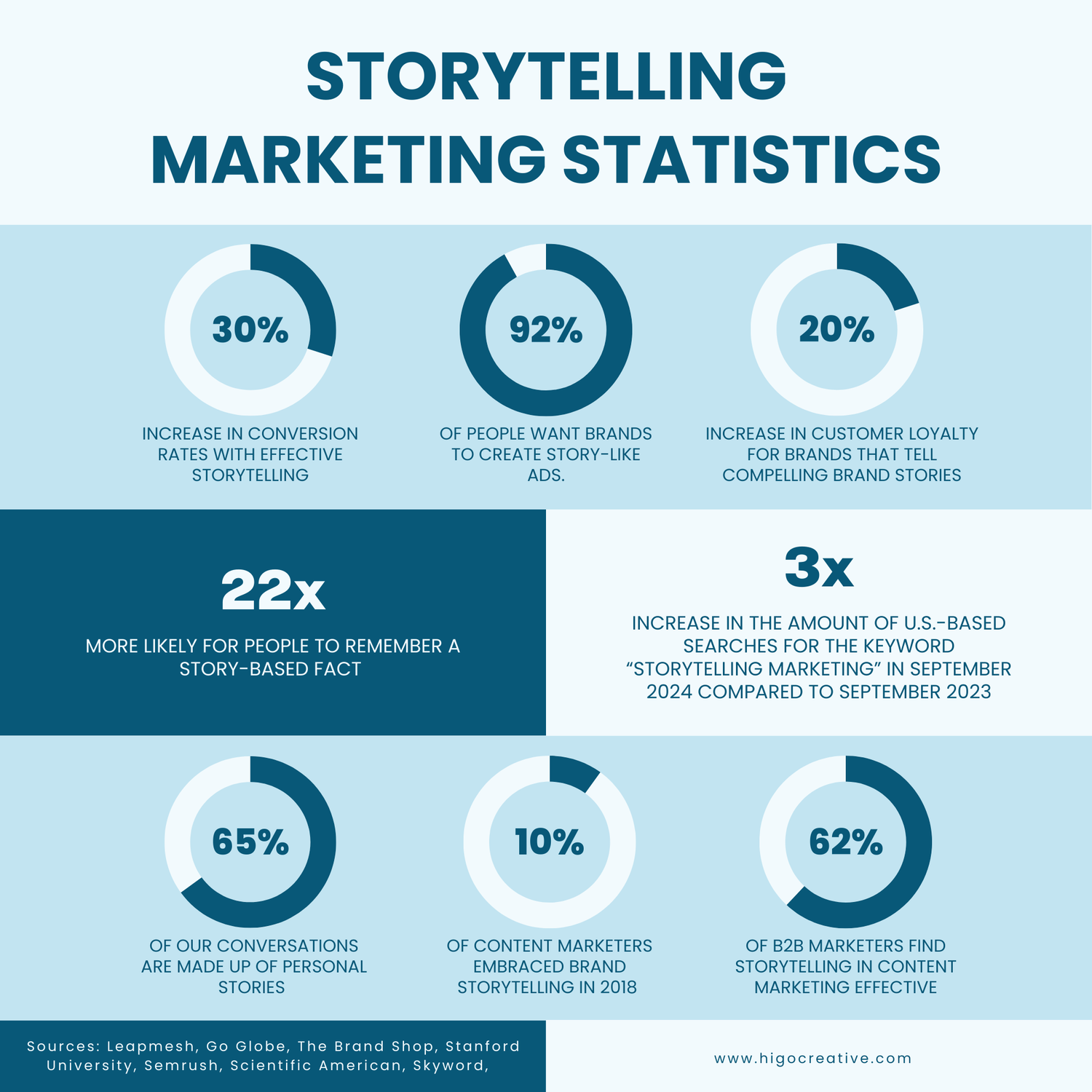
Figure 1: Storytelling Marketing Statistics
Source: Higo Creative – Storytelling Marketing Statistics
Information presented as a story is overwhelmingly more memorable than a mere list of facts and creates an emotional connection with consumers.
Secretion of the Empathy Hormone “Oxytocin”
According to research by neuroeconomist Paul Zak, when humans are exposed to moving stories, the neurotransmitter “oxytocin” is secreted in the brain. Oxytocin works to increase trust and empathy, and when it is secreted, people become favorable toward the subject and are more likely to take cooperative actions (such as purchasing or donating).
Figure 2: The Science of Storytelling (Infographic)
Source: Smart Insights – The Science of Storytelling
Data showing the impact of storytelling on the brain and its effectiveness in marketing.
5. Success Stories 成功事例の紹介
Let’s look at examples of companies practicing excellent brand storytelling.
Apple: “Rebellion Against the Status Quo”
Apple has not talked about product specs (memory capacity or CPU speed) but has always told stories of “creativity” and “breaking the status quo.” The famous “1984” commercial and the “Think Different” campaign provided customers with a story that using Apple products is not just using a tool, but becoming one of the innovators.
Airbnb: “Belong Anywhere”
Airbnb’s brand message is “Belong Anywhere.” They emphasize not the cheapness of accommodation, but the interaction between hosts and guests and the story of “living like a local” while traveling. By having customers share their own travel stories as User Generated Content (UGC), they are forming a powerful community.
Nike: “There is an Athlete in Everyone”
Nike’s “Just Do It” is not just a slogan, but a story of the “Hero’s Journey” where everyone challenges their limits and overcomes them. Their advertisements often depict unknown athletes grabbing success after much effort, positioning the customer themselves as the protagonist of that story.
優れたブランドストーリーテリングを実践している企業の事例を見てみましょう。
Apple:「現状維持への反逆」
Appleは製品のスペック(メモリ容量やCPU速度)を語るのではなく、常に「創造性」や「現状打破」という物語を語ってきました。有名な「1984」のCMや「Think Different」キャンペーンは、Apple製品を使うことが、単なる道具を使うことではなく、革新者の一員になることだという物語を顧客に提供しました。
Airbnb:「どこにいても、そこが自分の居場所」
Airbnbのブランドメッセージは「Belong Anywhere(どこにいても、居場所がある)」です。彼らは宿泊施設の安さではなく、ホストとゲストの交流や、旅先で「暮らすように旅する」体験の物語を強調します。ユーザー生成コンテンツ(UGC)として顧客自身の旅の物語を共有させることで、強力なコミュニティを形成しています。
Nike:「誰の中にもアスリートがいる」
Nikeの「Just Do It」は、単なるスローガンではなく、すべての人が自分の限界に挑戦し、それを乗り越えるという「ヒーローズ・ジャーニー(英雄の旅)」の物語です。彼らの広告はしばしば、無名のアスリートが努力の末に成功を掴む姿を描き、顧客自身をその物語の主人公として位置づけます。
6. How to Practice Brand Storytellingブランドストーリーテリングの実践方法
To practice effective storytelling, the following frameworks are useful.
Simon Sinek’s “Golden Circle”
The “Golden Circle” theory proposed by marketing consultant Simon Sinek strikes at the heart of storytelling. Many companies start speaking from “What” (what they sell), but great leaders and brands start speaking from “Why” (why they do it).
効果的なストーリーテリングを実践するためには、以下のフレームワークが有用です。
サイモン・シネックの「ゴールデンサークル」
マーケティングコンサルタントのサイモン・シネックが提唱した「ゴールデンサークル」理論は、ストーリーテリングの核心を突いています。多くの企業は「What(何を売っているか)」から話し始めますが、優れたリーダーやブランドは「Why(なぜそれをしているか)」から語り始めます。
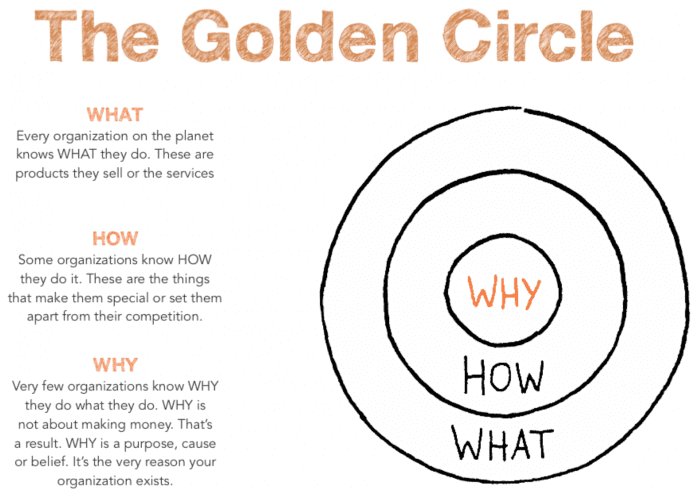
Figure 3: Golden Circle Model (Proposed by Simon Sinek)
Source: Smart Insights – Golden Circle Model
Communicating from the inside “Why” to the outside is the key to motivating people to act.
- Why (Belief): We believe we can change the world.
- How (Method): To do that, we make products that are beautiful and easy to use.
- What (Product): That is this computer.
Make the Customer the Hero
A common mistake is for the brand itself to behave as the “hero.” The protagonist of the story is strictly the “customer,” and the brand should be the “mentor” or “magical tool” that helps in that journey. In Star Wars terms, the customer is Luke Skywalker, and the brand plays the role of Yoda.
- Why(信念): 私たちは、世界を変えられると信じている。
- How(方法): そのために、美しく使いやすい製品を作る。
- What(製品): それが、このコンピュータだ。
顧客を主人公(ヒーロー)にする
よくある間違いは、ブランド自身が「ヒーロー」として振る舞ってしまうことです。物語の主人公はあくまで「顧客」であり、ブランドはその旅を助ける「賢者(メンター)」や「魔法の道具」であるべきです。スター・ウォーズで言えば、顧客がルーク・スカイウォーカーであり、ブランドはヨーダの役割を果たすのです。
7. Analysis: The Future of Storytelling in the Digital Age考察:デジタル時代におけるストーリーテリングの未来
The evolution of digital technology is changing the form of storytelling. Instead of one-way narration, “participatory” storytelling through social media has become mainstream.
Also, with the rise of generative AI, mass production of content has become possible. However, precisely because of this, the value of “Authenticity” is rising. Rather than perfect sentences generated by AI, stories based on truth, even if clumsy but human, will be sought after. Companies are questioned more than ever about their integrity to maintain transparency and continue telling stories without lies.
In the future, immersive storytelling utilizing VR (Virtual Reality) and AR (Augmented Reality) will also develop, and it is thought that customers will become subjects who “experience” stories rather than just “listening” to them.
デジタル技術の進化は、ストーリーテリングの形態を変えつつあります。一方的な語りかけではなく、ソーシャルメディアを通じた「参加型」のストーリーテリングが主流となっています。
また、生成AIの台頭により、コンテンツの大量生産が可能になりました。しかし、だからこそ「真正性(Authenticity)」の価値が高まっています。AIが生成した完璧な文章よりも、不格好でも人間味のある、真実に基づいた物語が求められるようになるでしょう。企業は、透明性を保ち、嘘のない物語を語り続ける誠実さがこれまで以上に問われます。
今後はVR(仮想現実)やAR(拡張現実)を活用した、没入型(イマーシブ)のストーリーテリングも発展し、顧客は物語を「聞く」だけでなく「体験する」主体となっていくと考えられます。
8. Conclusion まとめ
Brand storytelling is a powerful method for providing customers with emotional value beyond functional value. Humans instinctively seek stories and understand the world through stories.
By starting with “Why,” positioning the customer as the protagonist, and weaving a consistent and authentic story, a brand can secure a special place in the customer’s heart. In the rapidly changing modern world, the key to building a strong brand that does not fade can be said to lie exactly in this “power to tell stories.”
ブランドストーリーテリングは、機能的価値を超えた感情的価値を顧客に提供するための強力な手法です。人間は本能的に物語を求め、物語を通じて世界を理解します。
「Why」から始め、顧客を主人公に据え、一貫性のある真正な物語を紡ぐことで、ブランドは顧客の心の中に特別な場所を確保することができます。変化の激しい現代において、色褪せない強いブランドを作る鍵は、まさにこの「物語る力」にあると言えるでしょう。
9. References 参考文献
- Sinek, S. (2009). Start with Why: How Great Leaders Inspire Everyone to Take Action. Penguin Group.
- Bruner, J. (1991). “The Narrative Construction of Reality”. Critical Inquiry, 18(1), 1-21. University of Chicago Press.
- Zak, P. J. (2014). “Why Your Brain Loves Good Storytelling”. Harvard Business Review.
- Miller, D. (2017). Building a StoryBrand: Clarify Your Message So Customers Will Listen. HarperCollins Leadership.